plasmo.site

The count is in the ledger.

Building the model…
Living model of the plasmocyte: the cell. Zoom between the stages. Morphology after Jamal I et al., Indian J Hematol Blood Transfus 2026 (PMID 42333195); Go RS and Rajkumar SV, Blood 2018 (PMID 29183887); StatPearls NBK556082.

Plasmo. The count is in the ledger. Give me the percent plasmocytes and the light-chain ratio and I will tell you where you stand.

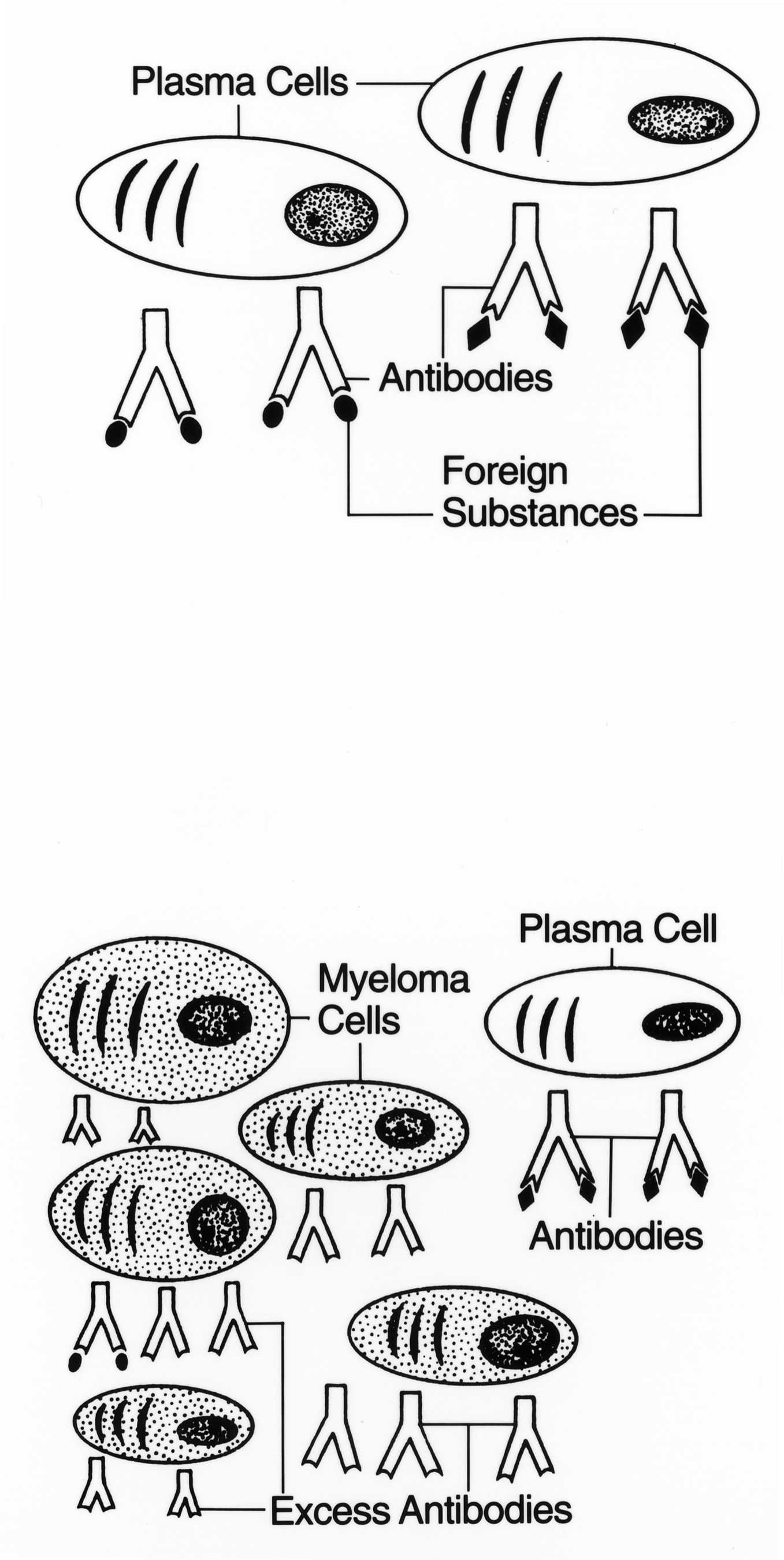
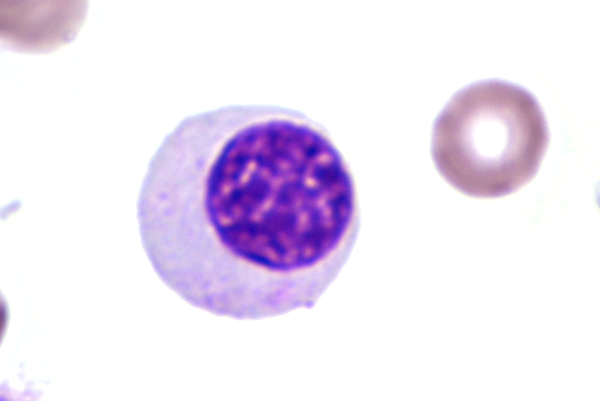
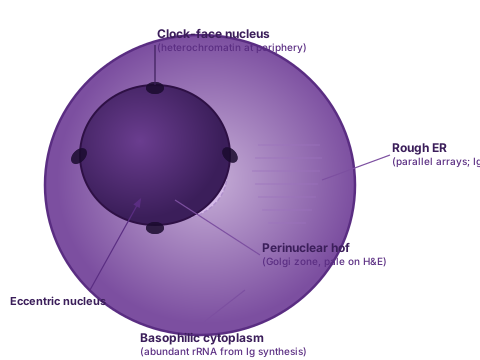
The plasmocyte is the terminal form of the B lymphocyte: a non-motile secretory cell whose sole function is to produce immunoglobulin at high volume. It lives primarily in bone marrow, anchored by CD138 and retained by CXCL12, and secretes approximately its own mass in antibody each day. Its morphology is precise enough to identify on a stained smear: eccentric clock-face nucleus, pale perinuclear hof marking the Golgi, and cytoplasm packed with rough endoplasmic reticulum. When plasmocytes accumulate at 10 percent or more of marrow cellularity with a monoclonal protein, the diagnosis is multiple myeloma. The count is in the ledger.

Jamal I et al., Indian J Hematol Blood Transfus 2026

2026-09-09 · PMC
Morphology-based cytogenetic risk prediction in multiple myeloma from bone marrow smears

AI model reads bone marrow smear morphology to predict cytogenetic risk group; AUC 0.76 to 0.85 across markers; plasmablastic features drive high-risk calls.

2026-09-09 · PMC
Non-Secretory Myeloma With Non-Producing Phenotype Presented as Plasma Cell Leukaemia With Plasmablast Morphology

Case report: non-secretory myeloma presenting as plasma cell leukaemia, plasmablast morphology on smear. n = 1.

2026-09-09 · PubMed / PMC
Exploring the prognostic value of combined assessment of bone marrow plasma cell morphology, Vitamin D, and interleukin-6 in multiple myeloma

Retrospective cohort, 111 MM patients. Morphology heterogeneity correlates with Durie-Salmon and ISS stage; combined Vitamin D and IL-6 assessment proposed.

2026-09-09 · PubMed
Plasma Cell Morphology: Many Faces, One Essence

Reviews morphologic heterogeneity from mature to anaplastic; defines plasmablast threshold at 2% as adverse independent prognostic factor.

2026-09-09 · Cell Immunology
Regulatory network of BLIMP1, IRF4, and XBP1 triad in plasmacytic differentiation and multiple myeloma pathogenesis

Comprehensive review of the IRF4-BLIMP1-XBP1 transcription factor hierarchy in B cell to plasma cell terminal differentiation and myeloma.

2026-09-09 · PMC
Roadmap to a plasma cell: epigenetic and transcriptional cues that guide B cell differentiation

Reviews the division-linked epigenetic reprogramming that drives B cell commitment to the plasma cell fate; covers Blimp-1, XBP-1, and DNA hypomethylation.

2026-09-09 · Lancet Oncology
International Myeloma Working Group updated criteria for the diagnosis of multiple myeloma

2014 revision: added SLiM biomarkers (60% BMPC, FLC ratio 100 or more, MRI focal lesion) to CRAB criteria; changed diagnostic landscape for smoldering myeloma.

2026-09-09 · NEJM
Monoclonal Gammopathy of Undetermined Significance (2026 review)

Current review of MGUS: diagnostic criteria, risk stratification, progression rates, and management. Light-chain MGUS defined by FLC ratio less than 0.26 or greater than 1.65.

2026-09-09 · Blood
How I manage monoclonal gammopathy of undetermined significance

Practical management framework: risk stratification by M-protein level, FLC ratio, and Ig subtype; monitoring intervals by risk tier.

2026-09-09 · PMC
Excluding myeloma diagnosis using revised thresholds for serum free light chain ratios and M-protein levels

Revised exclusion thresholds for serum FLC ratio; cites IMWG normal range 0.26 to 1.65. Full text verified.

2026-09-09 · PMC
Non-Secretory Myeloma: case presentation

Non-secretory myeloma, non-producing phenotype, presenting as plasma cell leukaemia with plasmablast morphology. Demonstrates that absence of M-protein does not exclude myeloma.

2026-09-09 · eClinicalMedicine (Lancet)
SLiM CRAB criteria revisited: temporal trends in prognosis of smoldering multiple myeloma

Systematic review with meta-analysis of patients meeting SLiM biomarker criteria; documents outcomes under current treatment paradigms.

2026-09-09 · PubMed
Teclistamab for Relapsed or Refractory Multiple Myeloma: A Review of Efficacy, Safety, Resistance Mechanisms and Future Directions

Comprehensive 2025 review of teclistamab's BCMA x CD3 mechanism, MajesTEC-1 outcomes (63% ORR, 39% at or above CR), and emerging resistance pathways.

2026-09-09 · PubMed
Longitudinal mechanisms of response, resistance and relapse to teclistamab in myeloma: results from MajesTEC-1

Longitudinal MajesTEC-1 analysis identifies BCMA loss and T-cell exhaustion as principal resistance mechanisms to teclistamab.

2026-09-09 · PMC
Non-Competitive Binding of Isatuximab and Daratumumab to CD38: Implications for Targeted Therapy in Multiple Myeloma

Epitope mapping confirms isatuximab and daratumumab bind distinct, non-overlapping CD38 epitopes, with potential for sequential use.

2026-09-09 · PubMed
FDA Approval Summary: Ciltacabtagene Autoleucel for Relapsed or Refractory Multiple Myeloma

Regulatory summary of cilta-cel's approval based on CARTITUDE-1 data showing 97.9% ORR and 82.5% stringent CR rate.

2026-09-09 · PubMed
Long-term survival and safety of elranatamab in patients with relapsed or refractory myeloma: Update from MagnetisMM-3

Extended follow-up from MagnetisMM-3 confirms durable responses and tolerability of elranatamab (BCMA x CD3 bispecific) in relapsed/refractory myeloma.

2026-09-09 · PMC
Different Strategies to Overcome Resistance to Proteasome Inhibitors: A Summary 20 Years after Their Introduction

Comprehensive 20-year retrospective of proteasome inhibitor resistance mechanisms (beta-5 subunit mutation, UPR bypass, NF-kB reactivation) and strategies to overcome them.

2026-09-09 · PMC
Sequential and coordinated control of human plasma cell differentiation by IRF4 and BLIMP1 utilizing a discriminating ISRE/EICE motif lexicon

Defines the hierarchical IRF4 to BLIMP1 transcriptional cascade in human plasma cell differentiation, with IRF4 acting upstream via ISRE/EICE motifs.

2026-09-09 · PMC
Single-cell and functional profiling identifies an IL-6-centered immunometabolic communication circuit in multiple myeloma

Single-cell RNAseq of the bone marrow niche reveals IL-6/JAK-STAT3 as the central immunometabolic hub linking malignant plasma cells, macrophages, and exhausted T cells.

2026-09-09 · PMC
IL-6-driven POU2AF1 and ELL2 are key regulators of multiple myeloma-distinct transcriptional and splicing programs

IL-6/JAK/STAT3 activates the B-cell transcription factors POU2AF1 and ELL2 as myeloma-specific survival targets downstream of the cytokine axis.

2026-09-09 · PMC
Pathogenic role and therapeutic targets of nuclear factor-kB signaling pathway in cancer

Broad review placing myeloma's dual canonical/non-canonical NF-kB activation in context of oncogenic mutations and stromal signals.

2026-09-09 · PMC
RNA sequencing identifies novel regulated IRE1-dependent decay targets that affect multiple myeloma survival

Transcriptomic screen uncovers RIDD substrates that regulate myeloma survival independent of the XBP1 splicing branch.

2026-09-09 · PMC
Role of NF-kB Signaling in the Interplay between Multiple Myeloma and Mesenchymal Stromal Cells

Bidirectional NF-kB signaling between myeloma cells and bone marrow mesenchymal stromal cells reinforces tumor survival and drug resistance.

Reference Values

All Reference Values →
2026-09-09 · Tandfonline (Hematology)
Cut-offs for kappa/lambda ratio in bone marrow immunohistochemistry for the diagnosis of multiple myeloma

Reference-standard: 1/16 or less, or 16 or more. Highest diagnostic accuracy: 1/7 or less, or 9 or more. Two cutoffs from one paper; both entered.

2026-09-09 · Clinical Chemistry
Serum reference intervals and diagnostic ranges for free kappa and free lambda immunoglobulin light chains (Katzmann 2002)

Primary source establishing serum FLC ratio range 0.26 to 1.65 (extended from 95% CI 0.30 to 1.20 to include all 282 reference sera). The contradiction between these two numbers from one paper is entered.

2026-09-09 · ARUP Lab Test Directory
Kappa/Lambda Quantitative Free Light Chain With Ratio, Serum (ARUP 0055167)

ARUP assay reference intervals: kappa 3.30 to 19.40 mg/L; lambda 5.71 to 26.30 mg/L; ratio 0.26 to 1.65. Immunoturbidimetry.

2026-09-09 · StatPearls (NCBI)
Histology, Plasma Cells

Reference for plasma cell ultrastructure on H&E: clock-face nucleus, perinuclear hof, basophilic cytoplasm, N:C ratio, CD138 marker. Cited for morphology and methods sections.

2026-09-09 · myeloma.org
SPEP, UPEP, and sFLC: Complete M-Protein Testing Guide

IMWG measurable disease threshold: serum M-protein 1.0 g/dL or more; SPEP minimum reliable detection: 0.5 g/dL. Secondary source; primary IMWG citation flagged for next pass.

2026-09-09 · ScienceDirect
Reference intervals and diagnostic ranges for serum free kappa and free lambda immunoglobulin light chains vary by instrument platform

Reference intervals differ by assay platform; argues against direct cross-platform comparison of FLC ratios. Relevant tension in the reference-values registry.

2026-09-09 · PubMed (history review)
The discovery of plasma cells: An historical note

Documents Waldeyer 1875 (term coined, attribution disputed), Marshalko 1895 (morphological definition), Fagraeus 1947 (antibody secretion proved), Coons 1955 (fluorescent confirmation).

2026-09-09 · Nature Immunology
Blimp-1 controls plasma cell function through the regulation of immunoglobulin secretion and the unfolded protein response

BLIMP1 regulates UPR components including XBP-1 and ATF6; required for plasmablast to plasma cell maturation. Classic paper in the differentiation hierarchy.

2026-09-09 · Nature Immunology
Multifunctional role of the transcription factor Blimp-1 in coordinating plasma cell differentiation

Blimp-1 as master coordinator of plasma cell differentiation; acts upstream of XBP-1; required for terminal differentiation from activated B cell.

2026-09-09 · PMC
XBP1 governs late events in plasma cell differentiation and is not required for antigen-specific memory B cell development

XBP1 specifically required for late plasma cell differentiation events; not required for memory B cell development, separating these two fates.

2026-09-09 · Annales de Biologie Clinique
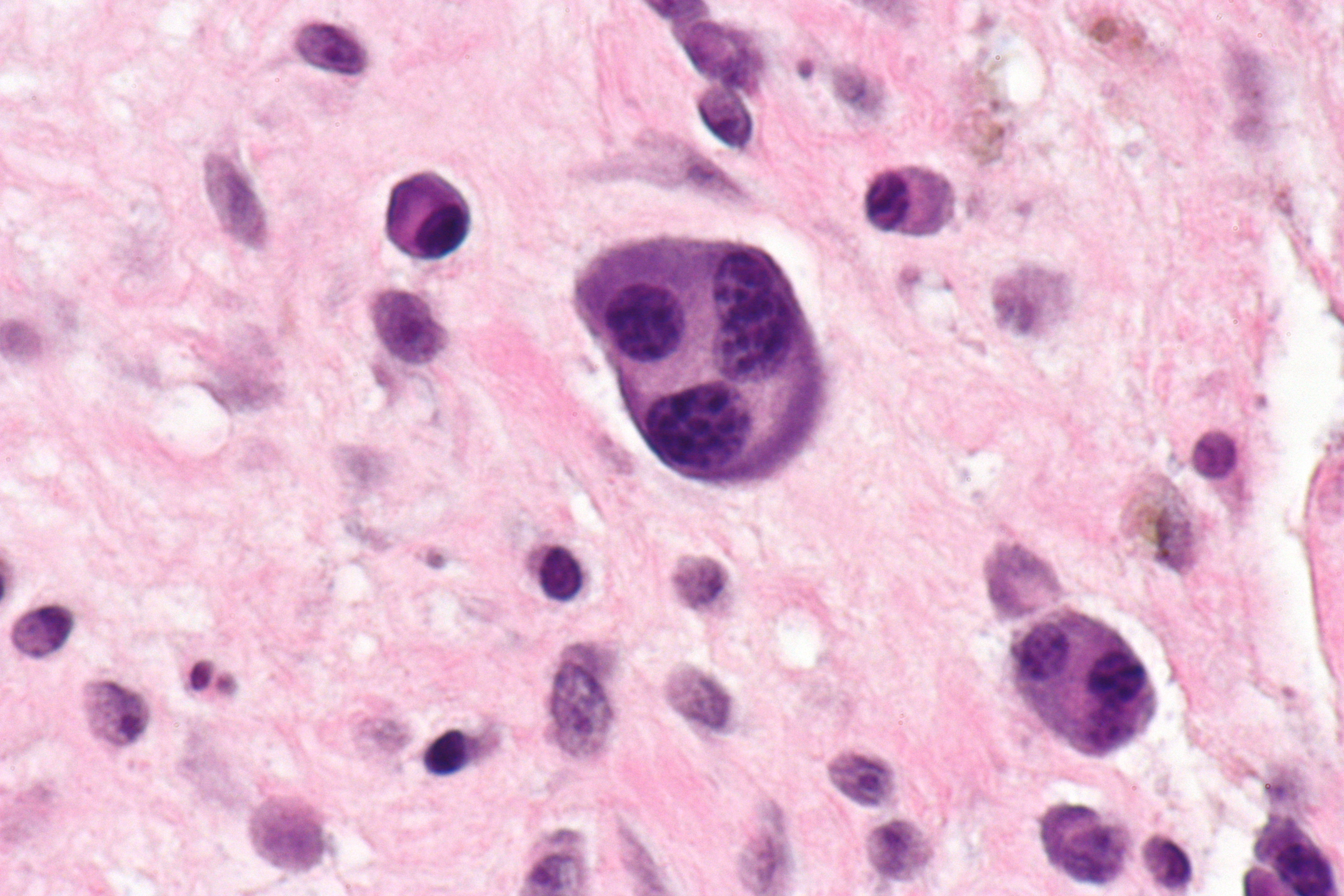
The pearls of myeloma: Russell bodies and Mott cells

2025 review of Russell bodies (cytoplasmic Ig spherules) and Mott cells (plasma cells with grape-like morular pattern of Ig-filled vacuoles) in myeloma.

2026-09-09 · Blood (ASH)
Russell bodies in light chain multiple myeloma

Image correspondence demonstrating Russell body accumulation in a light chain myeloma case; clinical context for the morphologic variant.

Substances tested 16

All substances →
Bortezomib proteasome inhibitor, reversible boronic acid
acts on 20S proteasome, beta-5 subunit
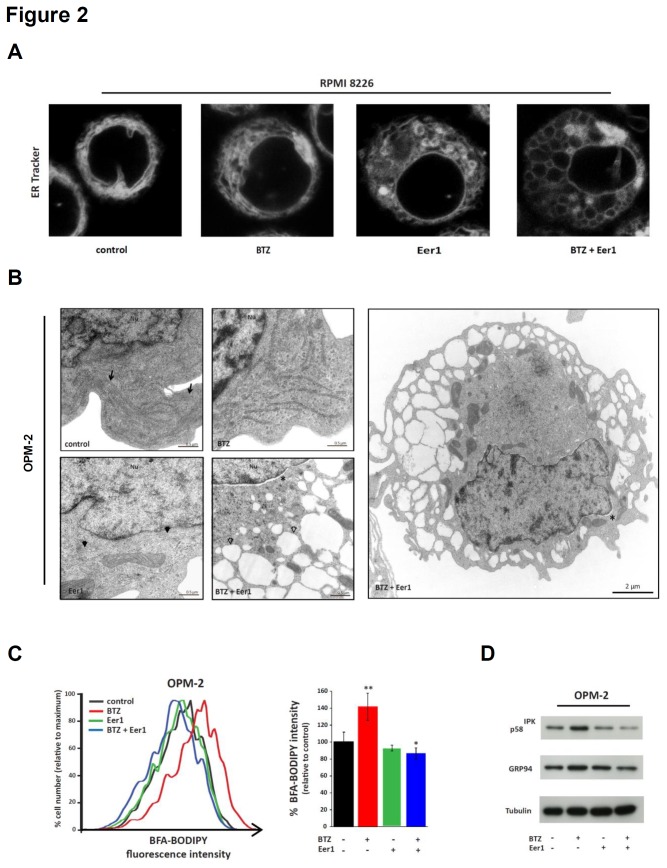
Blocks proteasomal degradation of misfolded immunoglobulin chains. The plasmocyte already runs its endoplasmic reticulum near capacity, so the undegraded load tips it into terminal ER stress and apoptosis. This is why the cell that secretes the most protein is the cell most sensitive to proteasome inhibition. First proteasome inhibitor approved, 2003.
dose: not stated in the abstract  · human, multiple myeloma  · review of mechanism, resistance patterns and combination regimens  · Ito S 2020, Cancers: Proteasome Inhibitors for the Treatment of Multiple Myeloma  · source
Carfilzomib proteasome inhibitor, irreversible epoxyketone
acts on 20S proteasome, beta-5 subunit, selective
Binds the beta-5 subunit irreversibly rather than reversibly, giving more sustained proteasome blockade than bortezomib and activity in bortezomib-refractory disease.
dose: not stated in the abstract  · human, relapsed and refractory multiple myeloma  · review  · Ito S 2020, Cancers: Proteasome Inhibitors for the Treatment of Multiple Myeloma  · source
Ixazomib proteasome inhibitor, oral boronic acid
acts on 20S proteasome, beta-5 subunit
The first orally available proteasome inhibitor, same mechanistic class as bortezomib.
dose: not stated in the abstract  · human, multiple myeloma  · review  · Ito S 2020, Cancers: Proteasome Inhibitors for the Treatment of Multiple Myeloma  · source
Lenalidomide immunomodulatory drug (IMiD)
acts on cereblon, substrate receptor of the CRL4-CRBN ubiquitin ligase
Binds cereblon and redirects the CRL4-CRBN ubiquitin ligase onto IKZF1 (Ikaros) and IKZF3 (Aiolos), transcription factors the myeloma plasmocyte needs to survive. Degrading them kills the cell. Intrinsic and acquired loss of cereblon is the main route to resistance.
dose: not stated in the abstract  · human, multiple myeloma  · review of mechanism and clinical experience  · Holstein SA, McCarthy PL 2017, Drugs: Immunomodulatory Drugs in Multiple Myeloma  · source
Thalidomide immunomodulatory drug (IMiD)
acts on cereblon, CRL4-CRBN ubiquitin ligase
Same cereblon-directed mechanism as lenalidomide and pomalidomide: degradation of IKZF1 and IKZF3.
dose: not stated in the abstract  · human, multiple myeloma  · review  · Holstein SA, McCarthy PL 2017, Drugs: Immunomodulatory Drugs in Multiple Myeloma  · source
Pomalidomide immunomodulatory drug (IMiD)
acts on cereblon, CRL4-CRBN ubiquitin ligase
Same cereblon-directed degradation of IKZF1 and IKZF3; used in later lines, including after lenalidomide.
dose: not stated in the abstract  · human, multiple myeloma  · review  · Kulig P et al. 2023, Cancers: Lenalidomide in Multiple Myeloma, Review of Resistance Mechanisms, Current Treatment Strategies and Future Perspectives  · source

Public datasets 14

GSE5900 expression profiling by array Homo sapiens
Gene Expression of Bone Marrow Plasma Cells from Healthy Donors (N=22), MGUS (N=44) and Smoldering Myeloma (N=12)
Zhan F 2007, Blood: Gene-expression signature of benign monoclonal gammopathy evident in multiple myeloma is linked to good prognosis  · paper  · public at NCBI GEO; NCBI data are free to use with attribution and carry no licence text of their own  · accession resolved 2026-09-12 via eutils esummary
GSE2658 expression profiling by array Homo sapiens
Gene Expression Profiles of Multiple Myeloma
Hanamura I 2006, Leukemia: Prognostic value of cyclin D2 mRNA expression in newly diagnosed multiple myeloma treated with high-dose chemotherapy  · paper  · public at NCBI GEO  · accession resolved 2026-09-12 via eutils esummary
GSE24080 expression profiling by array Homo sapiens
MAQC-II Project: Multiple myeloma (MM) data set
Popovici V 2010, Breast Cancer Research: Effect of training-sample size and classification difficulty on the accuracy of genomic predictors  · paper  · public at NCBI GEO  · accession resolved 2026-09-12 via eutils esummary
GSE6477 expression profiling by array Homo sapiens
Expression data from different stages of plasma cell neoplasm
Chng WJ 2007, Cancer Research: Molecular dissection of hyperdiploid multiple myeloma by gene expression profiling  · paper  · public at NCBI GEO  · accession resolved 2026-09-12 via eutils esummary
GSE9782 expression profiling by array Homo sapiens
Gene expression profiling and correlation with outcome in clinical trials of the proteasome inhibitor bortezomib
Mulligan G 2007, Blood: Gene expression profiling and correlation with outcome in clinical trials of the proteasome inhibitor bortezomib  · paper  · public at NCBI GEO  · accession resolved 2026-09-12 via eutils esummary
GSE19784 expression profiling by array Homo sapiens
Gene expression profiling of multiple myeloma patients included in the HOVON-65/GMMG-HD4 trial
Broyl A 2010, Blood: Gene expression profiling for molecular classification of multiple myeloma in newly diagnosed patients  · paper  · public at NCBI GEO  · accession resolved 2026-09-12 via eutils esummary
GSE124310 expression profiling by high throughput sequencing Homo sapiens
Single-cell RNA sequencing reveals compromised immune microenvironment in precursor stages of multiple myeloma
Zavidij O 2020, Nature Cancer: Single-cell RNA sequencing reveals compromised immune microenvironment in precursor stages of multiple myeloma  · paper  · public at NCBI GEO  · accession resolved 2026-09-12 via eutils esummary
GSE136337 expression profiling by array Homo sapiens
Identifying a high-risk cellular signature in the multiple myeloma bone marrow microenvironment
Danziger SA 2020, PLoS Medicine: Bone marrow microenvironments that contribute to patient outcomes in newly diagnosed multiple myeloma, a cohort study  · paper  · public at NCBI GEO  · accession resolved 2026-09-12 via eutils esummary
GSE47552 expression profiling by array Homo sapiens
Transcriptome analysis reveals molecular profiles associated with evolving steps of monoclonal gammopathies
López-Corral L 2014, Haematologica: Transcriptome analysis reveals molecular profiles associated with evolving steps of monoclonal gammopathies  · paper  · public at NCBI GEO  · accession resolved 2026-09-12 via eutils esummary
GSE16558 expression profiling by array; non-coding RNA profiling Homo sapiens
MicroRNAs in Myeloma
Gutiérrez NC 2010, Leukemia: Deregulation of microRNA expression in the different genetic subtypes of multiple myeloma and correlation with gene expression  · paper  · public at NCBI GEO  · accession resolved 2026-09-12 via eutils esummary
GSE13591 expression profiling by array Homo sapiens
Integrated genomics approach to detect allelic imbalances in multiple myeloma
Agnelli L 2009, Genes Chromosomes and Cancer: A SNP microarray and FISH-based procedure to detect allelic imbalances in multiple myeloma, an integrated genomics approach  · paper  · public at NCBI GEO  · accession resolved 2026-09-12 via eutils esummary
GSE39754 expression profiling by array Homo sapiens
Gene Expression profiling of Multiple Myeloma
Chauhan D 2012, Cancer Cell: A small molecule inhibitor of ubiquitin-specific protease-7 induces apoptosis in multiple myeloma cells and overcomes bortezomib resistance  · paper  · public at NCBI GEO  · accession resolved 2026-09-12 via eutils esummary
GSE4204 expression profiling by array Homo sapiens
Gene Expression Profiles of Multiple Myeloma Before Treatment
Driscoll JJ 2010, Blood: The sumoylation pathway is dysregulated in multiple myeloma and is associated with adverse patient outcome  · paper  · public at NCBI GEO  · accession resolved 2026-09-12 via eutils esummary
GSE4581 expression profiling by array Homo sapiens
Gene Expression Profiles of Multiple Myeloma (N=414) Before Treatment
No companion paper is linked from this accession at GEO. It is kept because 11 papers in the sweep use it, but it carries no citation of its own and none has been invented for it.  · none linked in the GEO record  · public at NCBI GEO  · accession resolved 2026-09-12 via eutils esummary

Digital twin

Open the twin →
Daily IgG output: 43 pg/cell/day, between 2.15 and 215
Ig molecules per cell per day 1.73e8 molecules/cell/day 8,640,000 to 8.64e8
Rate per ER exit unit 500 mol/s per fold-expansion 25 to 10,000
rER structure diameter 0.75 um 0.5 to 1
Open the twin →

Summary. Plasmocytes, By the Numbers.

Ledger current as of 2026-09-11 (foundation pass, scans 2, 3, and 4, cyto.site audit, pl8 mouse policy applied). Entries without a source are not entered. Thin items are marked thin. Mouse-only findings are in feed.md only, pending human replication.

History of discovery

Claim Term coined · Detail "Plasma cell" introduced by anatomist Wilhelm Waldeyer, 1875. Whether he meant the same cell now called a plasmocyte is disputed.
Claim Morphological definition · Detail In 1895, Marshalko described oval cells with strongly basophilic cytoplasm and an eccentric nucleus containing coarse heterochromatin, the definition still in use.
Claim Antibody source established · Detail Astrid Fagraeus demonstrated in 1947 that the plasmocyte is the source of circulating antibodies.
Claim Fluorescent confirmation · Detail Coons, Leduc, and Connally confirmed antibody within plasmocytes by immunofluorescence in 1955.
Claim Serum free light chain range · Detail Katzmann and colleagues set the serum FLC kappa:lambda range at 0.26 to 1.65 from 282 healthy sera, 2002.
Claim SLiM biomarkers · Detail The International Myeloma Working Group added SLiM biomarkers to the CRAB criteria, 2014.

Function

Claim Output rate · Detail A mature plasmocyte secretes approximately its own mass in immunoglobulin each day.
Claim Classes produced · Detail IgG, IgA, IgM, IgD, IgE, set by the heavy chain constant region. One cell makes one heavy chain class and one light chain type.
Claim Light chains · Detail Kappa (chromosome 2) or lambda (chromosome 22). A normal population expresses both; a skewed ratio indicates monoclonality.
Claim Free light chains · Detail Light chains not built into intact immunoglobulin circulate as free light chains, cleared by the kidney, measurable in serum.
Thin. General biochemistry; primary citation not captured.

Differentiation: B cell to plasmocyte

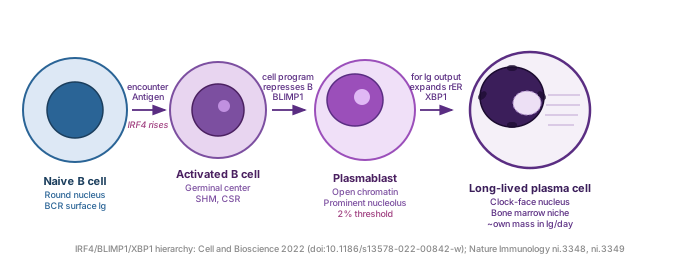
Claim Precursor · Detail Haematopoietic stem cell to common lymphoid progenitor to pro-B, pre-B, immature B, and mature naive B cell.
Claim Antigen encounter · Detail The naive B cell activates and enters the germinal centre: somatic hypermutation, affinity maturation, class-switch recombination.
Claim Plasmablast · Detail Proliferating, antibody-secreting, short-lived intermediate with open chromatin and a prominent nucleolus.
Claim Terminal differentiation · Detail The plasmablast becomes a non-dividing long-lived plasmocyte in bone marrow niches; the transcriptional divide from the B cell is stark.
Claim Transcription factors · Detail IRF4 initiates commitment, BLIMP1 (PRDM1) represses B cell identity, XBP1 drives the secretory unfolded protein response. IRF4 and BLIMP1 act upstream of XBP1.
Claim RUNX1 · Detail Stage-specific transcription factor in plasmocyte differentiation, deregulated in myeloma.
Claim Steady-state flux · Detail About 1 in 100 memory B cells becomes a plasmablast per year in healthy humans.
Claim Two routes · Detail Single-cell multiomics separates two human differentiation routes by RGS13 and CD10, CD31, CD38, CD44. Thin pending replication.

Ultrastructure

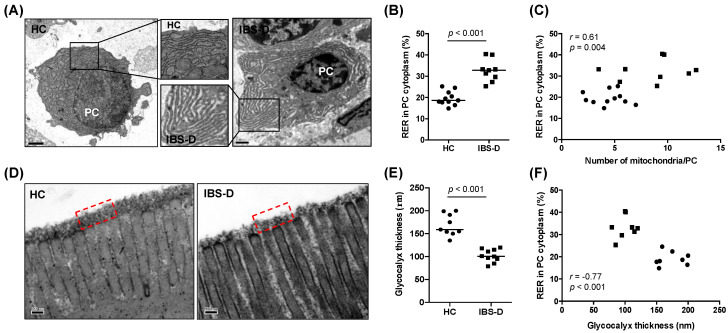
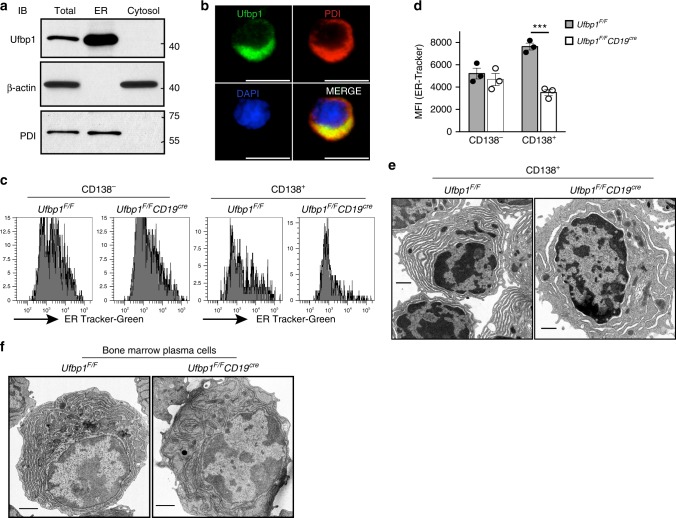
Claim Rough endoplasmic reticulum · Detail Massively expanded at differentiation; parallel arrays fill most of the cytoplasm. Immunoglobulin folds, assembles, and is quality-controlled here.
Claim Golgi apparatus · Detail Prominent and perinuclear; it is the pale perinuclear hof on H&E.
Claim Nucleus · Detail Eccentric; heterochromatin clumped at the periphery in a clock-face or cartwheel pattern.
Claim N:C ratio · Detail Low, reflecting the expanded rER.
Claim Chaperones and UPR · Detail BiP, GRP94, ERdj3 induced. PERK branch suppressed at differentiation; IRE1-XBP1 branch active.

Morphology and variants

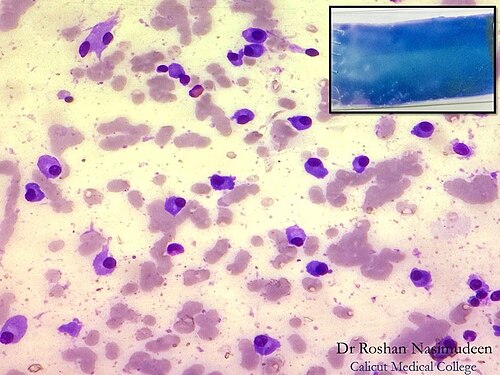
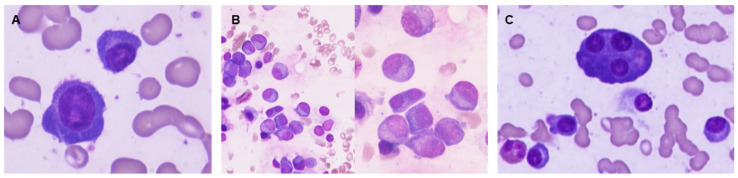
Claim Normal mature plasmocyte · Detail Eccentric clock-face nucleus, no nucleolus, deep basophilic cytoplasm, perinuclear hof. Seen in reactive plasmacytosis and normal marrow.
Claim Plasmablast · Detail Eccentric to central nucleus, fine open chromatin, prominent nucleolus, less cytoplasm. Adverse when 2% or more of the plasmocyte population.
Claim Russell body cell · Detail Eosinophilic hyaline globules of condensed immunoglobulin in the rER; nucleus may be compressed. Reactive or neoplastic.
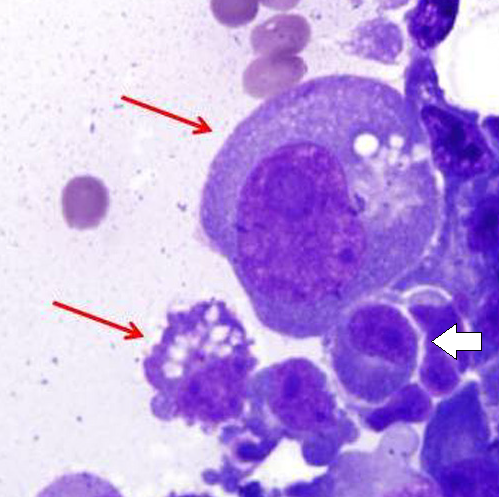
Claim Mott cell · Detail Morular, grape-cluster pattern of many immunoglobulin-filled vacuoles obscuring the nucleus. Reactive or neoplastic.
Claim Flame cell · Detail Intensely eosinophilic, fiery cytoplasm without discrete globules; associated with IgA myeloma. Thin: association not checked against full text.

Morphology in disease

Claim Morphology alone · Detail Cannot reliably separate reactive plasmacytosis from neoplastic disease.
Claim Plasmablast threshold · Detail 2% or more plasmablasts is an independent adverse prognostic factor.
Claim AI smear model · Detail Smear morphology predicts cytogenetic risk group, AUC 0.76 to 0.85; plasmablastic features drive high-risk calls.
Claim Morphology plus biomarkers · Detail n = 111. Morphologic heterogeneity tracks Durie-Salmon and ISS stage; combined Vitamin D and IL-6 assessment proposed.
Claim Non-secretory case · Detail n = 1. Non-secretory myeloma presenting as plasma cell leukaemia with plasmablast morphology.
Claim Single-cell myeloma atlas · Detail 341 individuals; 5 malignant archetypes plus a proliferative program; FCRL2 nominated as a target.
Claim PYGO2 and 1q21 · Detail PYGO2 expression tracks 1q copy number in CD138-positive plasmocytes and associates with shorter survival.

Survival signaling in the bone marrow niche

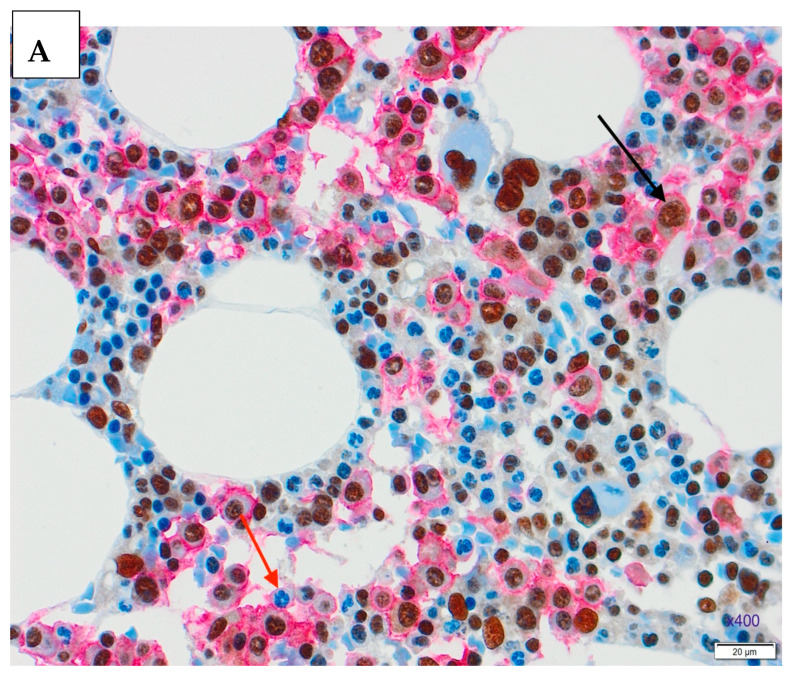
Claim CD138 anchoring · Detail CD138 (syndecan-1) marks normal and neoplastic plasmocytes on marrow biopsy.
Claim CXCR4 and CXCL12 · Detail CXCR4-CXCL12 interaction is required for plasmocyte homing and survival in marrow (NZB/W mice).
Claim BCMA and TACI · Detail BCMA, TACI, and BAFF-R are expressed on myeloma cells and mediate APRIL and BAFF growth and survival signals.
Claim TACI ligand form · Detail TACI responds only to oligomeric BAFF and APRIL, supporting plasmablast survival.
Claim TACI and mitochondrial ROS · Detail TACI suppresses mitochondrial reactive oxygen species; its loss kills long-lived plasmocytes.
Claim IL-6 · Detail IL-6 signaling through IL-6R alpha drives myeloma plasmocyte proliferation and survival.
Claim LLPC survival triad · Detail Long-lived plasma cells rely on BCMA, TACI, and CD28 receptor signals to upregulate anti-apoptotic factors; multiple metabolic pathways (amino acid transport, oxidative phosphorylation) are also upregulated.

Light chains and kappa:lambda ratios

Value Serum free kappa:lambda ratio, diagnostic range · Range 0.26 to 1.65 · Unit ratio · Confidence primary literature
Value Serum free kappa:lambda ratio, 95% central interval (same study) · Range 0.30 to 1.20 · Unit ratio · Confidence primary literature
Value Serum free kappa (ARUP, immunoturbidimetry) · Range 3.30 to 19.40 · Unit mg/L · Confidence assay reference interval
Value Serum free lambda (ARUP, immunoturbidimetry) · Range 5.71 to 26.30 · Unit mg/L · Confidence assay reference interval
Value Serum FLC ratio (ARUP) · Range 0.26 to 1.65 · Unit ratio · Confidence assay reference interval
Value Light-chain MGUS abnormal FLC ratio · Range less than 0.26 or greater than 1.65 · Unit ratio · Confidence secondary (review)
PubMed 42617131 (NEJM 2026)
Value Marrow IHC kappa/lambda, reference standard · Range 1/16 or less, or 16 or more · Unit ratio · Confidence primary literature
Value Marrow IHC kappa/lambda, best accuracy (same study) · Range 1/7 or less, or 9 or more · Unit ratio · Confidence primary literature
Value SLiM FLC ratio for myeloma · Range 100 or more (involved:uninvolved) · Unit ratio · Confidence primary literature

MGUS, smoldering myeloma, and myeloma thresholds

Claim MGUS (non-IgM) · Detail Marrow plasmocytes less than 10%; serum M-protein less than 30 g/L; no CRAB or amyloidosis.
Claim Light-chain MGUS · Detail Marrow plasmocytes less than 10%; no intact M-protein; FLC ratio less than 0.26 or greater than 1.65 with raised involved light chain.
Claim Smoldering myeloma · Detail Marrow plasmocytes 10 to 59%, or serum M-protein 30 g/L or more, or urine M-protein 500 mg/24 h or more; no CRAB, no SLiM.
Claim Active myeloma · Detail Marrow plasmocytes 10% or more, or biopsy-proven plasmacytoma, plus at least one CRAB feature or SLiM biomarker.
Claim SLiM biomarkers · Detail Marrow plasmocytes 60% or more; FLC ratio 100 or more; more than 1 MRI focal lesion of 5 mm or more.
Claim SLiM outcomes · Detail Meta-analysis of SLiM-defined patients under current treatment paradigms.

CRAB criteria

Claim Calcium · Detail Greater than 11 mg/dL, or more than 1 mg/dL above the upper limit of normal.
Claim Renal insufficiency · Detail Creatinine clearance less than 40 mL/min, or serum creatinine greater than 2 mg/dL.
Claim Anaemia · Detail Haemoglobin less than 10 g/dL, or more than 2 g/dL below the lower limit of normal.
Claim Bone lesions · Detail One or more osteolytic lesions on imaging.

M-protein reference and detection

Claim Normal SPEP · Detail No M-spike detected; any detectable spike is technically abnormal, significance set by level. Secondary source.
Claim Measurable disease, serum · Detail 1.0 g/dL or more. Thin: secondary summary, primary IMWG citation preferred.
Claim SPEP reliable identification · Detail 0.5 g/dL or more. Secondary source.
Claim MGUS serum M-protein limit · Detail Less than 30 g/L (3 g/dL).

Methods and stains

Claim H&E morphology · Detail Eccentric clock-face nucleus, basophilic cytoplasm, perinuclear hof; variants identified at 400x oil.
Claim CD138 IHC · Detail Enumerates plasmocytes on marrow biopsy.
Claim Flow cytometry · Detail Normal plasmocytes are CD38 bright, CD138 positive, CD19 and CD20 negative; the panel separates normal from myeloma cells for MRD.
Claim Kappa and lambda IHC · Detail Shows light-chain restriction; reference criterion 1/16 or less, or 16 or more.
Claim Serum FLC assay · Detail Immunoturbidimetry; kappa 3.30 to 19.40 mg/L, lambda 5.71 to 26.30 mg/L, ratio 0.26 to 1.65.
Claim FLC by platform · Detail Reference intervals differ by assay platform.
Claim CD138 selection for FISH · Detail Automated selection 86% success vs 75% manual (715 samples); 3% or more infiltration gives 80% FISH success.
Claim SPEP · Detail M-spike as a narrow gamma-region band; reliable from 0.5 g/dL.

Contradictions and tensions

Claim FLC range: statistical vs diagnostic · Detail The 95% central interval was 0.30 to 1.20; the same study widened it to 0.26 to 1.65 to include all 282 sera, and the wider range became the standard. Results between 0.26 and 0.30, or 1.20 and 1.65, depend on which is used.
Claim Marrow IHC ratio: two cutoffs · Detail Reference standard 1/16 or 16; best accuracy 1/7 or 9. Same paper, different uses; the wrong one changes the call.
Claim Morphology as diagnosis · Detail Reactive and low-grade neoplastic plasmocytes can look identical, yet 2% or more plasmablasts carries prognosis. A percent, not an impression.
Claim Clock-face nucleus and hof · Detail Stated in every textbook; the original primary description is not yet in the ledger. Thin.
Claim sFLC ratio 100 · Detail In the 2014 criteria as a myeloma-defining event; 2026 papers argue poor predictive value and call for revision. Not yet guideline-adopted.
Claim One route or two · Detail The canonical IRF4-BLIMP1-XBP1 path is one trajectory; 2026 single-cell data show two. Thin pending replication.
Claim Revised FLC intervals · Detail Population-based iStopMM intervals propose new light-chain MGUS thresholds. Pending guideline adoption.

Open items, flagged thin

Claim Clock-face nucleus, primary description · Detail Only textbook and StatPearls cited.
Thin. Next pass.
Claim Free light chain production · Detail Stated as general biochemistry.
Thin. Next pass.
Claim Measurable disease M-protein 1.0 g/dL · Detail Secondary summary only.
Thin. Next pass.
Claim IRE1/XBP1 requirement for myeloma growth · Detail Prior citation was the wrong paper and was removed.
Thin. Next pass.
Claim Flame cell and IgA · Detail Association not verified against full text.
Thin. Next pass.

Latest 8

2026-09-09 · PMC
Morphology-based cytogenetic risk prediction in multiple myeloma from bone marrow smears

AI model reads bone marrow smear morphology to predict cytogenetic risk group; AUC 0.76 to 0.85 across markers; plasmablastic features drive high-risk calls.

2026-09-09 · PMC
Non-Secretory Myeloma With Non-Producing Phenotype Presented as Plasma Cell Leukaemia With Plasmablast Morphology

Case report: non-secretory myeloma presenting as plasma cell leukaemia, plasmablast morphology on smear. n = 1.

2026-09-09 · PubMed / PMC
Exploring the prognostic value of combined assessment of bone marrow plasma cell morphology, Vitamin D, and interleukin-6 in multiple myeloma

Retrospective cohort, 111 MM patients. Morphology heterogeneity correlates with Durie-Salmon and ISS stage; combined Vitamin D and IL-6 assessment proposed.

2026-09-09 · PubMed
Plasma Cell Morphology: Many Faces, One Essence

Reviews morphologic heterogeneity from mature to anaplastic; defines plasmablast threshold at 2% as adverse independent prognostic factor.

2026-09-09 · Cell Immunology
Regulatory network of BLIMP1, IRF4, and XBP1 triad in plasmacytic differentiation and multiple myeloma pathogenesis

Comprehensive review of the IRF4-BLIMP1-XBP1 transcription factor hierarchy in B cell to plasma cell terminal differentiation and myeloma.

2026-09-09 · PMC
Roadmap to a plasma cell: epigenetic and transcriptional cues that guide B cell differentiation

Reviews the division-linked epigenetic reprogramming that drives B cell commitment to the plasma cell fate; covers Blimp-1, XBP-1, and DNA hypomethylation.

2026-09-09 · PubMed
Transcriptional profiling of mouse B cell terminal differentiation defines a signature for antibody-secreting plasma cells

Defines molecular signature of antibody-secreting cells; confirms stark transcriptional divide between B cells and plasma cells.

2026-09-09 · PMC
Plasma cell differentiation initiates a limited ER stress response by specifically suppressing the PERK-dependent branch of the unfolded protein response

PERK branch of UPR suppressed at plasma cell differentiation; IRE1-XBP1 branch active; chaperones BiP, GRP94, ERdj3 induced for high-volume Ig synthesis.